
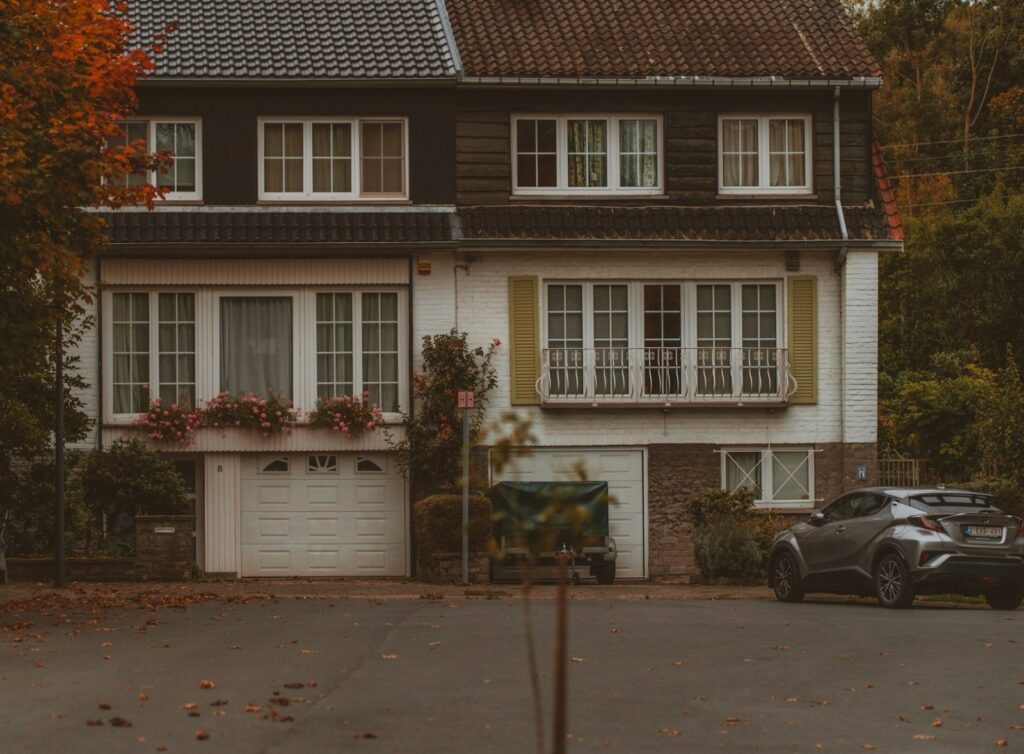
Ana’s parents drove up to Chicago for a week in October. She did everything right, or so she thought: she bought a book of guest passes for her residential parking zone, wrote the date on one each morning, and left it on the dashboard. On Wednesday her dad came back from a walk to find a ticket on the windshield. Temporary street sweeping signs had gone up on the block two days earlier, and nobody in the house had looked at them. The guest pass was perfectly valid. It just had nothing to do with street sweeping.
Guests and street sweeping
- Short answer
- Guests have to move for sweeping like everyone else
- Guest passes
- Cover permit-zone rules, not sweeping
- Chicago
- Daily guest passes valid for 24 hours, sold to zone residents
- San Francisco
- Up to 20 one-day visitor permits per address per year
- The parking fine
- Goes to the car’s owner, wherever they live
Guests don’t get a sweeping exemption
A visitor’s car is just a car at the curb. Street sweeping signs apply to every vehicle on that side of the block during the posted hours, whether it belongs to a resident, a guest or a delivery driver.
Where people get confused is the guest permit. In many dense neighborhoods, residents can buy passes so visitors can park in a permit zone without being ticketed for the zone rule. That’s all the pass does. In San Francisco, the SFMTA states plainly that a residential parking permit doesn’t exempt any vehicle from street cleaning restrictions, and none of the guest-pass rules we checked in other cities suggest otherwise. Our guide to residential parking permits and street sweeping explains how the two rules stack.
Guests also tend to be the drivers least likely to read the signs. They’re tired from the trip, the street is unfamiliar, and they assume their host would have said something. So the job falls to you.
Guest permits in permit zones
If you live in a residential permit zone, here’s how a few cities handle visitors:
| City | What guests can use | Source |
|---|---|---|
| Chicago | Residential Parking Daily Permits: guest passes valid for 24 hours from the date and time of display. The zone number on the pass must match the zone on the street signs. | Chicago City Clerk |
| San Francisco | One-day and weekly temporary permits for visitors or rental cars, bought in advance. Up to 20 one-day permits and 32 weeks of weekly permits per address per year. | SFMTA |
| Boston | Resident parking rules apply to friends’ and family’s cars. Neighborhoods with “Resident Parking Only” streets have a small number of time-limited visitor spaces. | City of Boston |
A few details that catch hosts out:
- Buy ahead. In Chicago you need to be registered as a zone resident first, and the City Clerk limits how many daily permits a household can buy in a 30-day period. In San Francisco, one-day permits are bought in advance too.
- The price climbs in San Francisco. The SFMTA lists one-day permits at $9 each for the first five you buy in a year, rising to $18 each for the 16th to 20th.
- Not for motorcycles. San Francisco’s short-term permits aren’t available for motorcycles.
- Still subject to time limits. The SFMTA notes that permits don’t exempt anyone from moving the car every 72 hours. See the 72-hour parking rule.
Brief your guests before they arrive
The most effective thing you can do takes two minutes: send your guests a message before the trip. Something like this works:
- Where to park when they arrive, and which side of the street.
- Your street’s sweeping day and hours, with a photo of the sign.
- Whether they need a guest pass, where it goes on the windshield, and how to fill it in.
- Any temporary signs you’ve noticed for sweeping, moving trucks or construction.
Then check the block yourself on the evening before their first full day. Temporary sweeping signs, like Chicago’s orange ones or Minneapolis’s pink ones, can appear after your guests have already parked. Our guide to temporary no parking signs explains how much notice cities give. If you’re not sure how to read your own street’s signs, see how to read street sweeping signs.
Give them the best spot
If you have a driveway or a garage space, the simplest fix is to give it to your guests for the visit and put your own car on the street, since you know the rules. You’re far more likely to remember to move it on sweeping morning than someone who arrived yesterday.
No driveway? Plan the visit around the calendar. If sweeping falls in the middle of the stay, tell your guests the night before and agree on where they’ll move: the other side of the street, a nearby block, or a garage for a couple of hours. Our guide on where to park on street sweeping day covers the options, and why double parking isn’t one of them in New York.
And if your guests are in a rental car, the ticket gets more complicated: the rental company usually hears about it first and may charge you any fee your agreement allows. See parking tickets in a rental car.
If your guest gets a ticket
A parking ticket is tied to the license plate, so it follows the car’s registered owner home, even to another state. Don’t let it get lost in the excitement of the visit:
- Pay or contest it before they leave, or at least make sure they have the ticket number and the city’s payment page.
- Look up the city’s deadline. Late penalties add up quickly; see what happens if you don’t pay a parking ticket.
- Contest it if the signs were missing or unclear. Take photos right away; see evidence that wins a street sweeping appeal.
- If the car was towed, go together. See getting your car back after a street sweeping tow.
Host’s checklist
- Check the calendar: does a sweeping day fall during the visit?
- Buy guest passes in advance if you live in a permit zone.
- Send your guests a short parking message with a photo of the sign.
- Offer your driveway or garage and move your own car instead.
- Walk the block each evening for new temporary signs.
- Remind them the night before sweeping and agree on where they’ll move.
- Deal with any ticket before they leave.
The next time Ana’s parents visited, they found a short text waiting for them: “Park on the north side. Sweeping is Wednesday, I’ll move my car there Tuesday night.” The week went by without a single ticket.
Spotted something out of date? Report an error and we will check it against the official source. Missing a city? Request it here.
Last checked against the Chicago City Clerk, the SFMTA and the City of Boston: November 2026.