
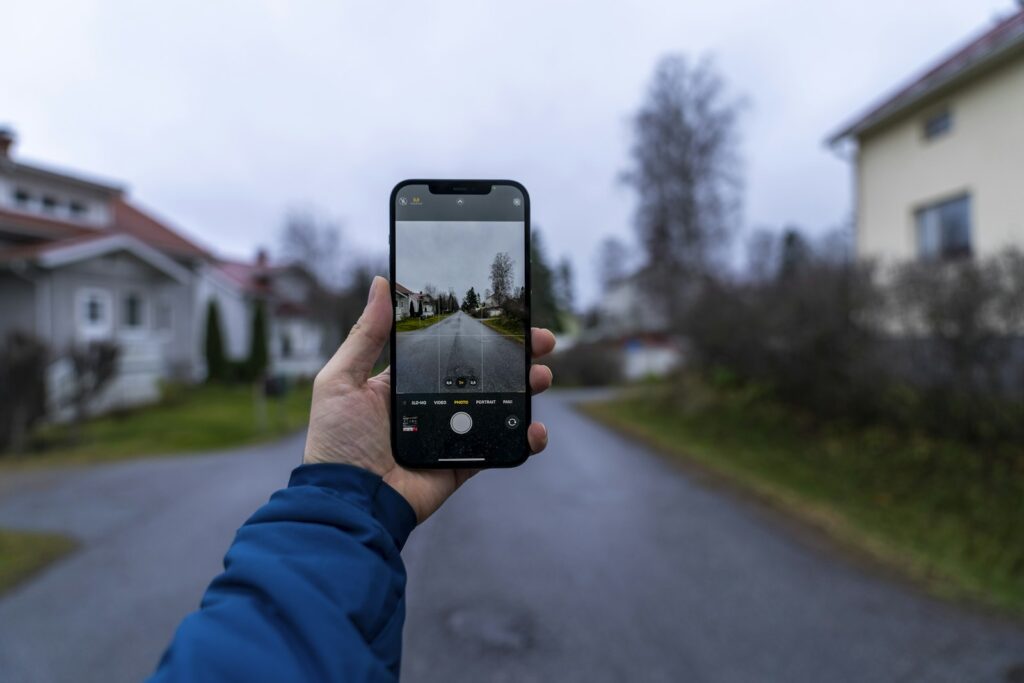
Ana got a $105 street cleaning ticket in San Francisco on a Tuesday morning. She was sure there had been no sign on her block. Her first instinct was to write an angry paragraph and hit submit. Instead, she went back at 7am the next day, walked the block from corner to corner with her phone, and found the reason: the sign pole was there, but the sign itself had been knocked off and was lying in the bushes. Those photos, not the angry paragraph, are what a reviewer can act on. Here is how to contest a street sweeping ticket with evidence that actually counts.
Contesting a sweeping ticket
- Best defense
- A missing, hidden or wrong sign, proven with photos
- Photo rule
- Whole block, corner to corner, with date and time visible
- Don’t
- Pay the ticket if you want to contest it
- Rarely works
- “I was only there a few minutes” or “I didn’t see it”
- If you lose
- Most cities have a second step, and California a third
Defenses that can work
Every city has its own list, but for street sweeping the same few arguments come up again and again:
| Defense | What you need to show | Where it’s recognized |
|---|---|---|
| Missing, illegible or wrong sign | Photos of the whole block and of every sign, front and back | New York City; in Chicago, the city must give reasonable notice of street cleaning |
| Wrong details on the ticket | The ticket next to your registration: plate, state, make | Chicago and most cities |
| The car wasn’t yours at the time | Proof of sale, theft report or plate surrender | New York City, Chicago and most cities |
| Sudden breakdown or medical emergency | Repair or tow receipt, hospital or police records | New York City |
Two of these deserve a closer look. If the car was sold, see our guide to tickets on a car you sold. If the ticket came by mail from a sweeper camera, Chicago’s camera rules have their own list; see street sweeper camera tickets.
How to photograph the block
New York City’s Department of Finance publishes some of the clearest advice on this, and it works anywhere:
- Shoot the entire side of the block where you were parked, from corner to corner, including the street names and the address.
- Photograph the front and back of every parking sign on that side of the street.
- Make sure the date and time show. Most phones store them; a screenshot of the photo details helps.
- Add an online map or satellite view of the spot to show where the car and the signs were.
- Label each photo (Photo 1, Photo 2) so your statement can refer to it.
Do it as soon as you can, ideally the same day. Signs get replaced and branches get trimmed, and a photo taken three weeks later proves less. Ana’s best shot was a wide one: the empty pole, her parking spot and the street sign at the corner, all in one frame. Then a close-up of the sign face-down in the bushes.
Not sure what the sign should have said? Our guide on how to read street sweeping signs and the one on temporary no parking signs cover the common layouts and notice rules.
Writing your statement
Short and factual beats long and angry. A reviewer reads a lot of these. A structure that works:
- One sentence on what happened: “On March 4 I parked at 1200 Oak Street at 8pm. There was no street cleaning sign on this block face.”
- One sentence per piece of evidence: “Photo 1 shows the empty sign pole next to my parking space. Photo 2 shows the sign lying in the planter.”
- One sentence asking for the result: “Because no sign was posted, I ask that the citation be dismissed.”
If a witness saw the same thing, New York City suggests attaching a notarized statement from them.
What usually doesn’t work
- “I was only there a few minutes.” Chicago says plainly that you can be ticketed for any amount of time.
- “I never got the notice.” New York City treats that as generally not a defense, because notices go to the address on your registration.
- “I had to find a restroom.” New York City’s emergency defense covers sudden medical emergencies, and it says an urgent bathroom need doesn’t count.
- “Everyone parks there.” Other cars getting away with it isn’t evidence about your car.
If the first review says no
A denial at the first step isn’t the end. In California the process has three levels, and San Francisco’s is a good example:
| Step | Deadline | Cost |
|---|---|---|
| 1. Protest (administrative review) | 21 days from the ticket or first notice | Free |
| 2. Administrative hearing | 25 days from the denial letter | Deposit equal to the fine, waived for low-income drivers and some others |
| 3. Superior Court appeal | 30 days from the hearing decision | $25 filing fee, refunded if you win |
Source: SFMTA. While the first protest is under review, which can take up to 90 days, the citation is on hold. And SFMTA’s rule applies almost everywhere: don’t pay the ticket if you want to protest it.
Other cities have their own steps and deadlines. Our appeal a ticket page lists them city by city.
Checklist before you submit
- Is it still within the deadline? Count from the ticket date, not from today.
- Have you not paid it?
- Do you have wide photos of the whole block, plus close-ups of every sign, with dates?
- Does your statement name a defense your city recognizes?
- Did you save the confirmation number or a copy of what you sent?
Ana’s ticket was dismissed about six weeks later. She still moves her car on Tuesday nights; our San Francisco guide has the schedule for her block.
If the car was towed as well as ticketed, see how to get a towed car back.
Ticketed on a rainy day? See what cities say about street sweeping in the rain.
Spotted something out of date? Report an error and we will check it against the official source. Missing a city? Request it here.
Last checked against the NYC Department of Finance, the City of Chicago and SFMTA: November 2026. This guide is general information, not legal advice.