
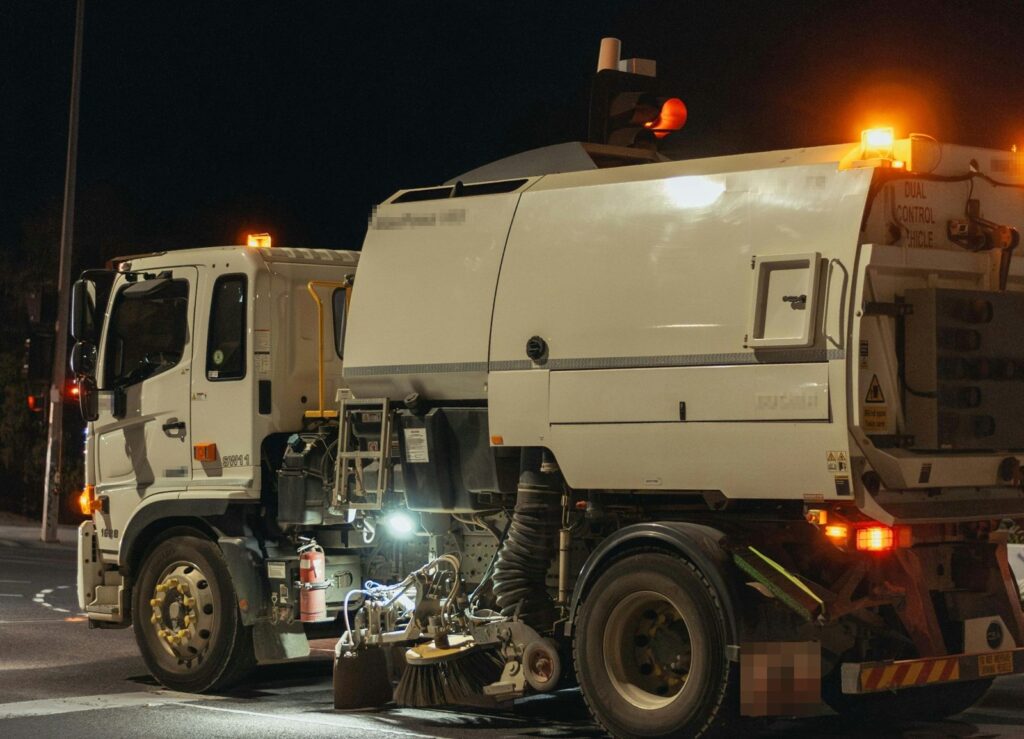
You parked on a Tuesday night in Washington, DC, forgot about the sweeping sign, and drove off the next afternoon. There was nothing on the windshield, so you assumed you got lucky. A week later an envelope arrives: a photo of your car, your plate, the street and the time, and a street cleaning ticket. In some cities, the street sweeper itself carries cameras, and the ticket comes by mail. Here is where that happens, how it works, and how to contest a ticket from a camera.
Sweeper camera tickets at a glance
- Where
- Chicago has one in its municipal code; Washington, DC has used one since 2009
- How you find out
- By mail, sent to the registered owner
- Parking fine
- $50 for a camera ticket in Chicago; same as an officer’s ticket in DC
- Key defense in Chicago
- No proper street cleaning sign was posted when you parked
- Also on camera
- Bus and bike lanes in several cities, but those are different programs
Where sweepers carry cameras
| City | Program | Parking fine | Source |
|---|---|---|---|
| Chicago | Automated street sweeper camera program, chapter 9-105 of the municipal code | $50 | Chicago code, fines |
| Washington, DC | Sweepercam, introduced by the Department of Public Works in 2009 | Same as an officer’s street cleaning ticket | DC DPW FAQ |
In Chicago, the fine table lists the camera violation separately: a street cleaning ticket from a sweeper camera is $50, while the same violation written by an officer can be $60. In Washington, DC, the Department of Public Works’ Sweepercam FAQ says the fine is the same whether the ticket comes from an officer or from the camera; our DC guide has the current amount.
Other cities use cameras on buses or city vehicles for bus lanes, bike lanes and loading zones, including Chicago’s Smart Streets program. Those are separate from street sweeping and have their own fines.
How a sweeper camera ticket works
Both programs work in a similar way, according to the Chicago code and DC’s Sweepercam FAQ:
- As the sweeper drives its route during the posted hours, cameras photograph vehicles parked in the curb lane.
- The images go to a central system. In DC, staff verify the plate, the DMV identifies the registered owner, and parking enforcement confirms the violation.
- In Chicago, a technician inspects the recorded images. Under the city code, an inspected recording is prima facie evidence of the violation, which means it’s enough to prove it unless you show otherwise.
- A ticket is printed and mailed to the registered owner.
Why the ticket comes by mail
Because nobody stops to put paper on the car, the first you hear of it is the envelope. DC’s Department of Public Works estimates mailing takes two to seven business days, and longer for out-of-state tags.
That has two practical effects:
- The ticket goes to the address on the registration. If you’ve moved and haven’t updated it, the notice may never reach you, but the deadlines still run. See our guide on what happens if you don’t pay.
- It goes to the owner, not the driver. If you lent the car to a friend, or it was a rental, the owner gets the ticket. Chicago allows a leasing company to transfer it to the renter; our guide to tickets on rental cars explains how.
In DC, the FAQ says you have 60 calendar days from the mail date to respond, but the fine doubles if it isn’t paid or contested within 30 days. Don’t wait for the second deadline.
How to contest a camera ticket
Chicago’s code lists the specific grounds for contesting a sweeper camera ticket, by mail or at a hearing. The ones most drivers can use:
- No proper signs were posted when the vehicle was parked. In Chicago, street cleaning is announced with temporary orange signs; if there were none on your block, that’s a defense. A dated photo of the empty pole is your evidence.
- The facts on the notice don’t add up: wrong plate, wrong car, a photo that doesn’t show your vehicle in the sweeping lane, or a time outside the posted window.
- You already got a ticket from an officer for the same violation (see below).
- The car or plates were stolen at the time, or you weren’t the owner or lessee.
In DC, you can contest by mail or at a walk-in hearing. In both cities, look closely at the photos: they’re the city’s main evidence, and they’re also yours.
Our guide to appealing a ticket lists the deadlines in each city.
Two tickets for one morning?
It can happen that a parking officer tickets your car in the morning and the sweeper camera photographs it later the same day. In Chicago, the code makes that a defense: if the owner was already cited for the same street cleaning violation, the camera ticket can be contested. Keep the paper ticket and send it in with your contest of the mailed one.
How to avoid one
- Don’t count on “no paper, no ticket.” Where sweepers carry cameras, an empty windshield doesn’t mean you got away with it.
- Know your block’s days. Our Chicago guide explains the orange signs, and the DC guide covers the March to October season.
- Keep your registration address current, so a mailed ticket reaches you in time.
- Look up your plate online every so often if you park on the street in a camera city. DC’s DMV lets you check tickets by plate.
- Read the sign the night before. Our guide on reading sweeping signs walks through the common layouts.
If the car in the photo is one you already sold, see parking tickets on a car you sold.
For tickets written by an officer, see the evidence that works when contesting a street sweeping ticket.
Spotted something out of date? Report an error and we will check it against the official source. Missing a city? Request it here.
Last checked against the Chicago Municipal Code, the City of Chicago fine schedule and the DC Department of Public Works Sweepercam FAQ: November 2026.