
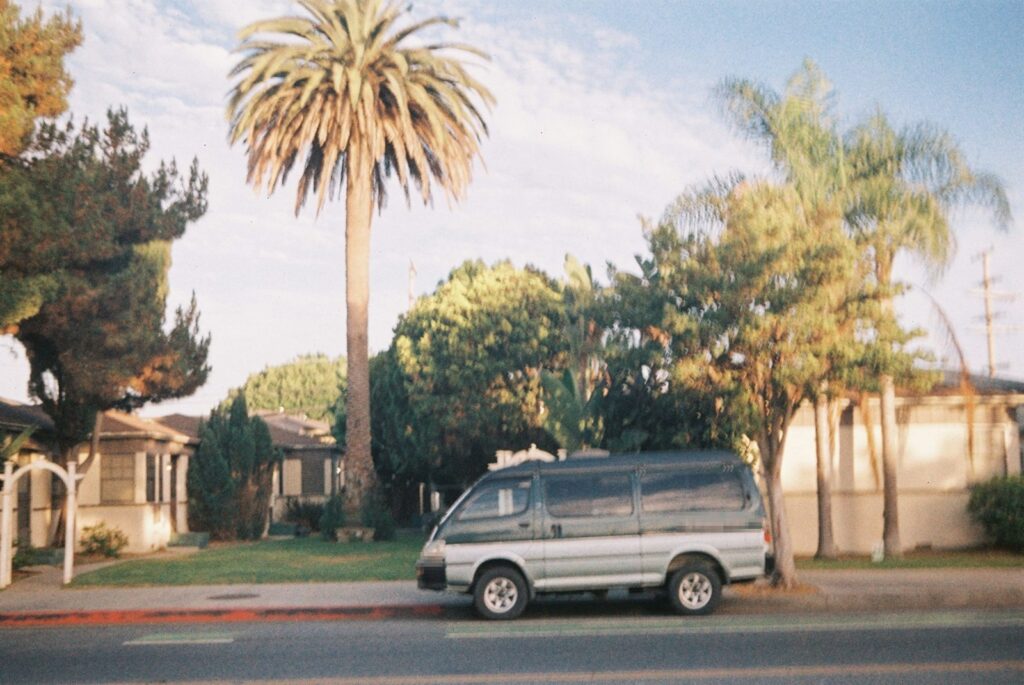
Most parking rules are posted. This one usually is not. In much of the country, a car that sits in the same spot on a public street for too long can be ticketed and towed, even on a quiet residential block with no signs at all. In California and several other cities we cover, the limit is 72 hours; in New York and Chicago, it is seven days. Here is how the rule works, what counts as “moving” your car, and how it collides with street sweeping when you leave town.
The long-term parking rule at a glance
- California
- 72 consecutive hours, under state law and city codes
- Seattle, Boston
- 72 hours
- New York City, Chicago
- 7 days
- Signs needed?
- No: the rule applies whether or not a sign is posted
- Permits
- In San Francisco, a residential permit or disabled placard does not exempt you
The limit, city by city
| City | Limit | Source |
|---|---|---|
| Los Angeles | 72 or more consecutive hours is unlawful | LAMC 80.73.2 |
| San Francisco | Up to 72 hours in the same spot | SFMTA, citing Vehicle Code 22651(k) |
| San Diego | No more than 72 consecutive hours | SDMC 86.0118 |
| Seattle | 72 hours on the same block | SDOT 72-hour ordinance |
| Boston | More than 72 hours, enforced on complaint or for safety | Boston Transportation Department |
| New York City | No more than 7 days in a row, unless a sign says otherwise | NYC 311 |
| Chicago | Not moved for over 7 days and appearing deserted can count as abandoned | Chicago Streets and Sanitation |
In California, the authority comes from Vehicle Code section 22651(k), which lets cities remove vehicles left on a street for 72 or more consecutive hours; Los Angeles amended its own code in 2006 to match the state law. SFMTA notes that the state law applies across California, so the same 72-hour limit can be enforced in the other California cities we cover, such as Oakland, Long Beach, San Jose and Santa Monica.
How it is enforced
Nobody walks every street with a stopwatch. In most cities, enforcement starts with a complaint:
- San Francisco: a complaint sends a parking control officer to inspect the car and start a 72-hour clock. If the same car is still in the same place when the officer comes back, it can get a warning, a citation or a tow, even with a residential permit for the area.
- Seattle: the first step is usually a warning notice on the car, giving the owner time to move it; if it stays, it can be cited, towed and impounded.
- Boston: the city enforces the rule when a resident complains or the car is a safety hazard, and it does not automatically treat a car parked for more than 72 hours as abandoned. Cars it does consider abandoned get a green sticker.
That complaint-driven system explains why some cars sit for weeks without trouble while others are ticketed on day four. It depends on whether a neighbor calls, so do not count on being lucky.
What counts as moving your car
Starting the engine and rolling a few feet is not a safe way to reset the clock. The rules are written around the spot or the block:
- San Francisco: move the car to another parking spot.
- Seattle: move it off the block face at least once every 72 hours.
- San Diego: on top of the 72-hour limit, a separate rule against storing vehicles on the street counts a car as stored if it is not moved more than one-tenth of a mile within 72 hours.
The simple habit that satisfies all of them: when the clock is close, drive the car to a different block.
Street sweeping makes it worse
A car that stays put for a week will almost always meet a sweeping day. In Los Angeles, each posted route is swept every other week; in Long Beach, every week; in San Francisco, many blocks weekly. So the most common outcome for a parked-and-forgotten car is not one ticket but two: a sweeping ticket first, and then a 72-hour citation or a tow.
The two rules are separate, so satisfy both with one habit: when you move the car for sweeping day, take it to a different block rather than back to the same spot. Our guide on how to read a street sweeping sign helps you check the new block before you leave the car there.
Leaving town: a practical plan
Say you live in Los Angeles and fly out for a ten-day family visit over the holidays, leaving your car on your street. Without a plan, it will be on the street for 240 hours, three times the legal limit, and it will cross at least one sweeping day. A few ways to handle it:
- Off-street parking: a driveway, a friend’s garage or a paid lot for the trip. This is the only option that removes both risks.
- A neighbor with a key: ask them to move the car to a different block every two days and to check the sweeping sign wherever they leave it.
- Check holidays: if the trip covers holidays, sweeping may be suspended on some days but not others; our Thanksgiving and Christmas 2026 guide lists them by city.
- Before you go, photograph the car, the curb and the nearest signs. If a tow or ticket happens anyway, the photos show where and how you left it.
If the car does disappear, call the city’s tow line first: in Seattle, for example, Lincoln Towing at (206) 364-2000. Each of our city guides lists the numbers to call.
Reporting a car that never moves
If a car on your block has not moved for days, you can report it. San Francisco handles reports through its abandoned vehicle form on 311, Chicago and New York through 311, Seattle through Parking Enforcement at (206) 684-8763 or the Find It, Fix It app, and Boston through the 311 app. Give the exact location, the plate and how long the car has been there.
Before you report, look at it from the owner’s side: some people are away for a few days and have no off-street option. A note on the windshield sometimes solves it faster than a complaint.
A residential parking permit does not change the 72-hour limit; see what residential permits cover.
Set up reminders so the car gets moved in time: see street sweeping alerts.
New in town and still unpacking? See our first-week guide to parking without tickets.
Motorcycles count too: see motorcycles, scooters and street sweeping.
Spotted something out of date? Report an error and we will check it against the official source. Missing a city? Request it here.
Last checked against official sources from Los Angeles, San Francisco, San Diego, Seattle, Boston, New York City and Chicago: November 2026.